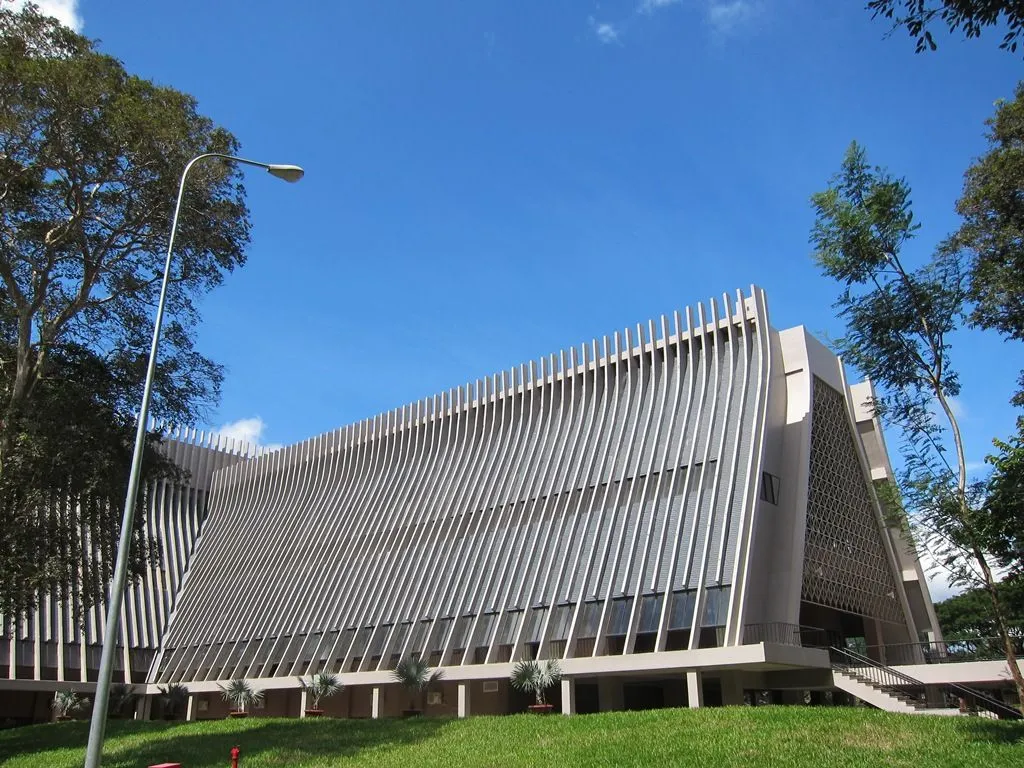
Two things make Buon Ma Thuot more than a destination — they make it a cultural space: the Coffee Festival, the largest event in Vietnam's coffee industry, and the Space of Gong Culture in the Central Highlands, inscribed by UNESCO.
If you are heading to Đắk Lắk and want more than waterfalls and coffee farms, this guide helps you pick the right moment: which festivals happen when, what to see, where to hear gongs in a setting that means something, and the basic etiquette for being a guest at an indigenous ceremony.
The Buon Ma Thuot Coffee Festival
The Buon Ma Thuot Coffee Festival is a national-level event held every two years in the city, usually in March — just after the coffee blossom, when the weather is dry. The ninth edition took place in March 2025; on the two-year cycle, the next is expected in March 2027 (the province confirms exact dates a few months ahead).
During festival week the whole city changes state: streets are decorated, tens of thousands of visitors arrive, and coffee is everywhere — literally.
Main activities
- Street parade — costumes of the highland peoples, gong troupes and float processions; usually the liveliest event of the week.
- Coffee trade fair — hundreds of stands from roasters, cooperatives and equipment makers; the best place to buy properly sourced coffee and talk to growers directly.
- Barista and roasting competitions — domestic and international competitors, with plenty of tasting for visitors.
- Free coffee tasting areas — the detail most visitors remember, set up in the city centre.
- Farmers' skills contest — growers compete at picking, sorting and processing; genuinely worth watching, because this is the root of the industry.
- Investment and trade conferences — aimed at business, but they show the real scale of Đắk Lắk's coffee economy.
- Indigenous cultural programmes — gong performances, dugout canoe racing on Lắk Lake, village culture events.
How to prepare
- Book accommodation 4–6 weeks ahead. This is the one week of the year when Buon Ma Thuot hotels sell out and rates rise sharply.
- Book flights early — seats into BMV fill quickly during festival week.
- Expect to walk: several central streets are closed on parade day.
- Bring cash for the fair, and a tote bag if you plan to buy coffee.
- March midday sun is strong — hat, water, sunscreen.
The Space of Gong Culture: a UNESCO heritage
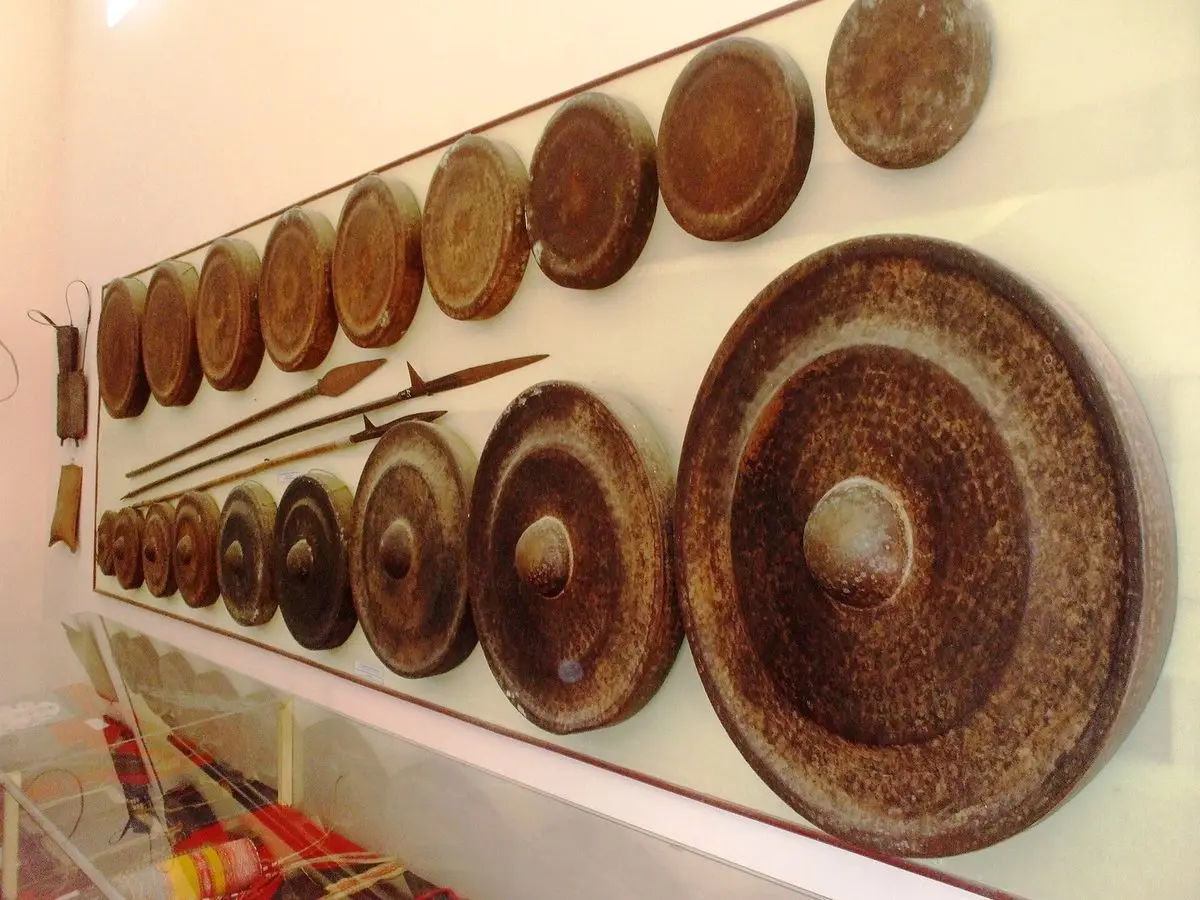
On 25 November 2005, UNESCO proclaimed the Space of Gong Culture in the Central Highlands a Masterpiece of the Oral and Intangible Heritage of Humanity; in 2008 it was transferred to the Representative List of the Intangible Cultural Heritage of Humanity. That space spans the highland provinces and many peoples: Ê Đê, M'Nông, Gia Rai, Ba Na, Xơ Đăng, Cơ Ho and others.
One thing matters to understand: UNESCO did not inscribe the gongs as instruments, but the "space" around them — the people, the rituals, the villages, the forest, the water source and the belief system that gives the sound its meaning. Hearing gongs out of context is like looking at a photograph of a ceremony: accurate, but incomplete.
When are gongs played?
In traditional life, gongs mark the important moments:
- The new rice ceremony — thanking the rice spirit after harvest.
- The water-source ceremony — a ritual to protect the village's clean water, expressing the bond between people and nature.
- The grave-abandonment ceremony — the farewell to the dead, one of the largest rituals of all.
- Health, coming-of-age and wedding rites — the markers of a life cycle.
A gong set has many pieces, each played by one person holding one line; the whole ensemble must lock together like a single body. Learning the gongs, then, is not only learning music — it is learning how to fit into a community.
Where to hear gongs
| Setting | Experience | Notes |
|---|---|---|
| Villages around Lắk Lake and Buôn Đôn | The village troupe performs with rice wine and storytelling | Arrange in advance through a homestay or operator |
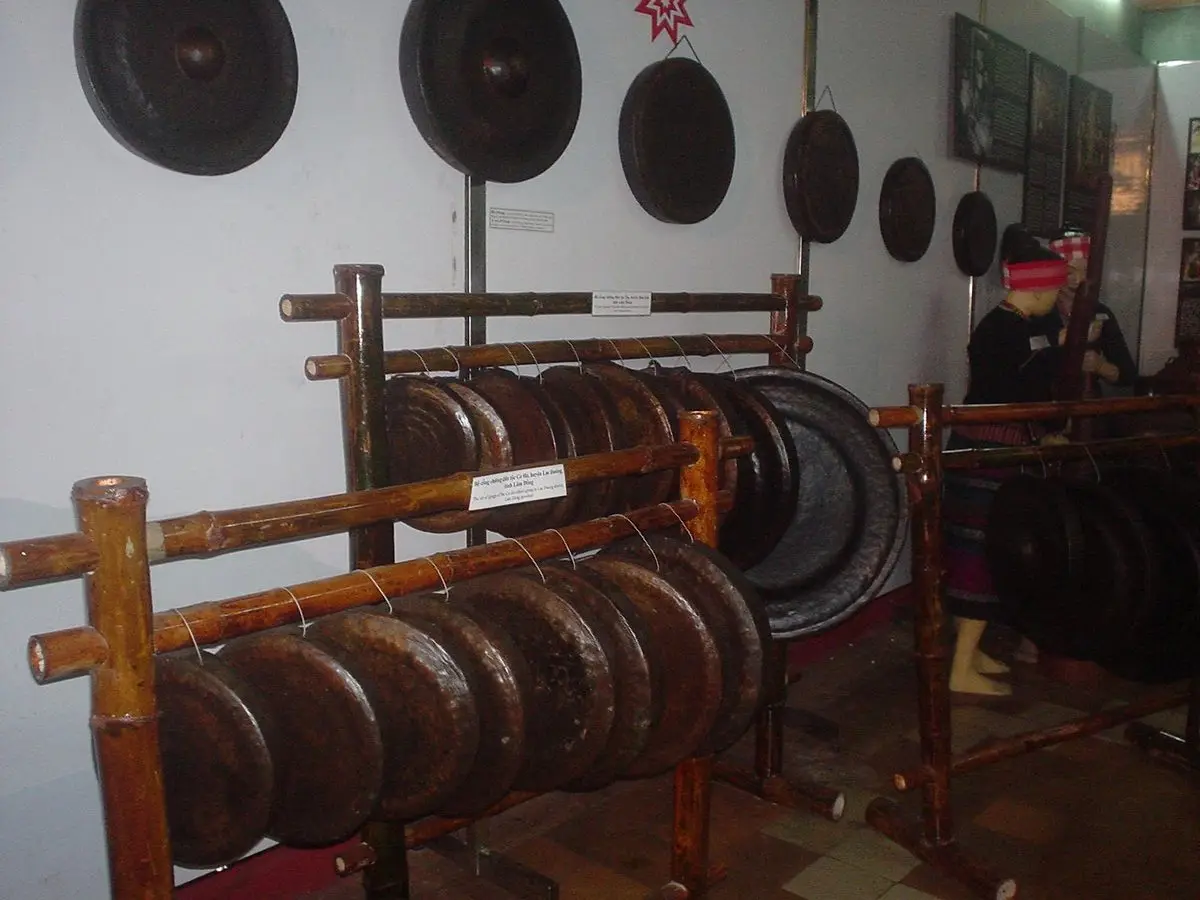
| Đắk Lắk Museum | Objects and cultural context explained | Visit before a performance to get more out of it |
| Major festivals | Large-scale performances across villages and peoples | Crowded — arrive early for a spot |
| An actual village ritual | The most authentic setting of all | Attend only if invited; never turn up uninvited |
The rest of the year: other festivals and seasons
| Period | Event | Notes |
|---|---|---|
| January – February | Lunar New Year and village new-year rites | Many services close — check ahead |
| March (festival years) | Buon Ma Thuot Coffee Festival | The biggest event, every two years |
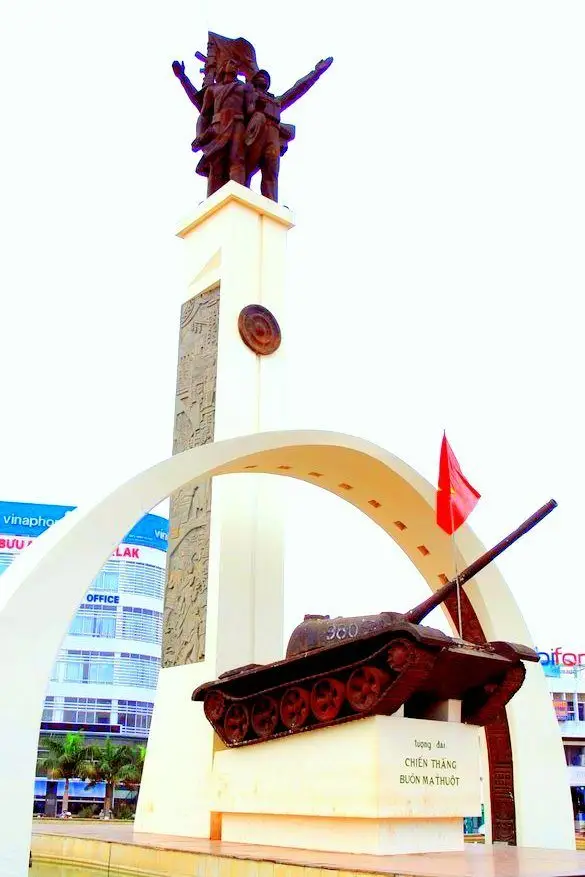
| March | Anniversary of the Buon Ma Thuot Victory (10 March) | Events around Ngã Sáu roundabout |
| February – March | White coffee blossom season | Not a festival, but the region's most beautiful weeks |
| August – September | Krông Pắc durian season, with a durian festival in some years | Orchards open to visitors |
| November – January | Main coffee harvest; new rice ceremonies in the villages | The best time to see everyday life |
On elephant racing: what has changed
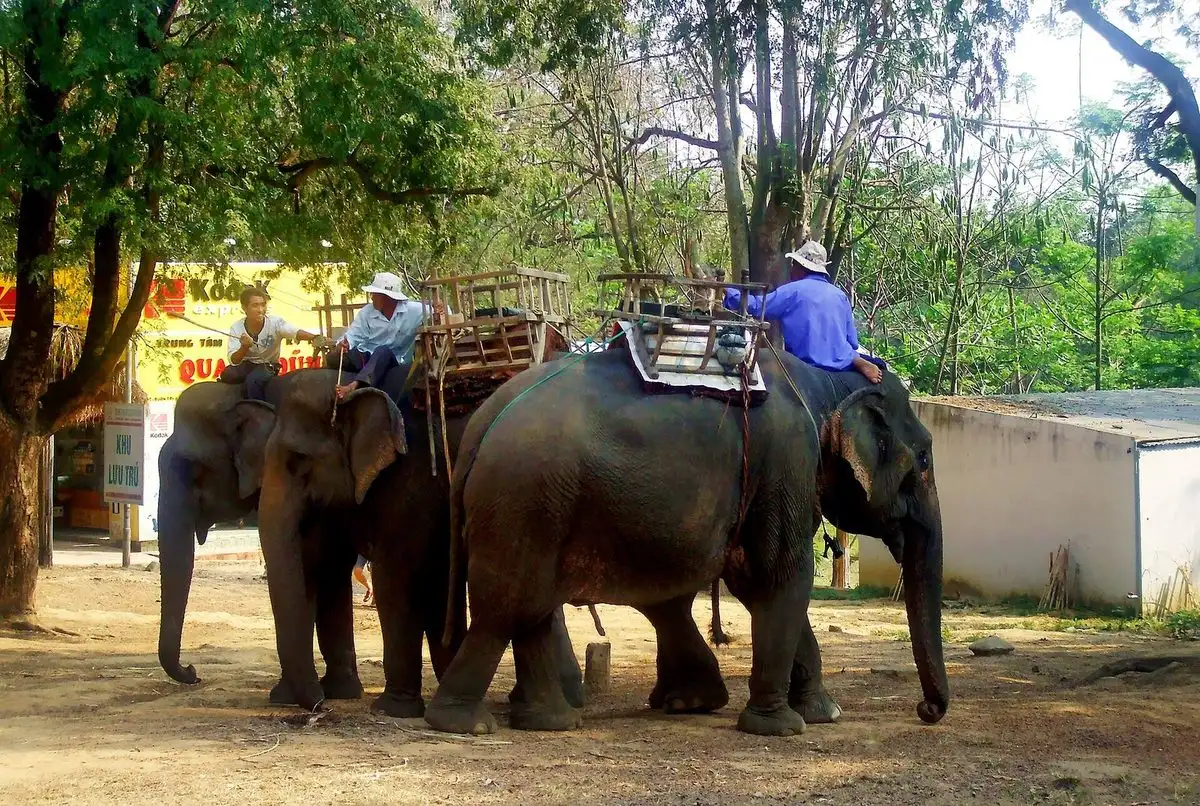
Buôn Đôn was once known for elephant races and riding services. In recent years Đắk Lắk has been moving to an elephant-friendly tourism model: instead of racing and carrying passengers, elephants live in semi-natural conditions and visitors walk to observe them.
For travellers this means one thing: if you visit Buôn Đôn or Lắk Lake, choose an observation tour rather than a riding tour. You still see elephants — usually for longer and closer — without sustaining a practice that harms a population now down to a few dozen animals.
Etiquette at festivals and in villages
- Ask before photographing people, particularly elders and anyone mid-ritual.
- Do not step into a ritual area uninvited, and do not touch gongs, wine jars or ritual objects.
- Dress modestly at ceremonies — this is not the beach.
- Rice wine: take the straw with both hands, sip, and pass it on. Declining politely is fine; nobody will force you.
- Keep quiet at the right moments: when a shaman or village elder is reciting, stop talking and silence your phone.
- Buy handicrafts directly from the maker — far better support than paying someone to pose for a photo.
Building festivals into your itinerary
If you travel during Coffee Festival week, this framework works well:
| Day | Plan |
|---|---|
| Day 1 | Street parade in the morning, coffee trade fair in the afternoon, tasting areas downtown in the evening |
| Day 2 | Leave the city for the Dray Nur – Dray Sáp waterfalls to escape the crowds |
| Day 3 | Lắk Lake: a village gong performance, a dugout canoe, sunset at Bảo Đại's residence |
Outside festival season you can still hear gongs through programmes arranged in the villages — and honestly, hearing them inside a longhouse at night is often closer to what the heritage actually is than a large stage.
Book with Go365
Go365 Vietnam runs tours around Buon Ma Thuot and Đắk Lắk and can arrange village cultural programmes on request:
- Buon Ma Thuot – Lắk Lake – fruit orchard tour — includes M'Nông villages
- Dray Nur Waterfall – Đắk Lắk city tour, 1 day — with the Đắk Lắk Museum and coffee landmarks
- Buon Ma Thuot – Dray Sáp Waterfall – Đắk Lắk tour
See also our guide to Buon Ma Thuot coffee and the Buon Ma Thuot travel guide 2026. To time a trip with festival week, call the Go365 hotline +84 789 900 077.
Frequently asked questions
When is the Buon Ma Thuot Coffee Festival held?
Every two years, usually in March, in Buon Ma Thuot city. The ninth edition ran in March 2025, so the next is expected in March 2027; the province confirms exact dates a few months in advance.
When did UNESCO recognise the Space of Gong Culture?
In 2005 (25 November), as a Masterpiece of the Oral and Intangible Heritage of Humanity; in 2008 it was transferred to the Representative List of the Intangible Cultural Heritage of Humanity.
Can I hear gongs outside festival season?
Yes. Villages around Lắk Lake and Buôn Đôn run gong programmes by arrangement, usually with rice wine and storytelling. Book through a homestay or an operator so the troupe can prepare.
Should I watch elephant racing or ride an elephant at Buôn Đôn?
Choose an observation tour instead. Đắk Lắk is shifting to elephant-friendly tourism, where the animals live in semi-natural conditions and visitors walk alongside — kinder, and you get more time near them.