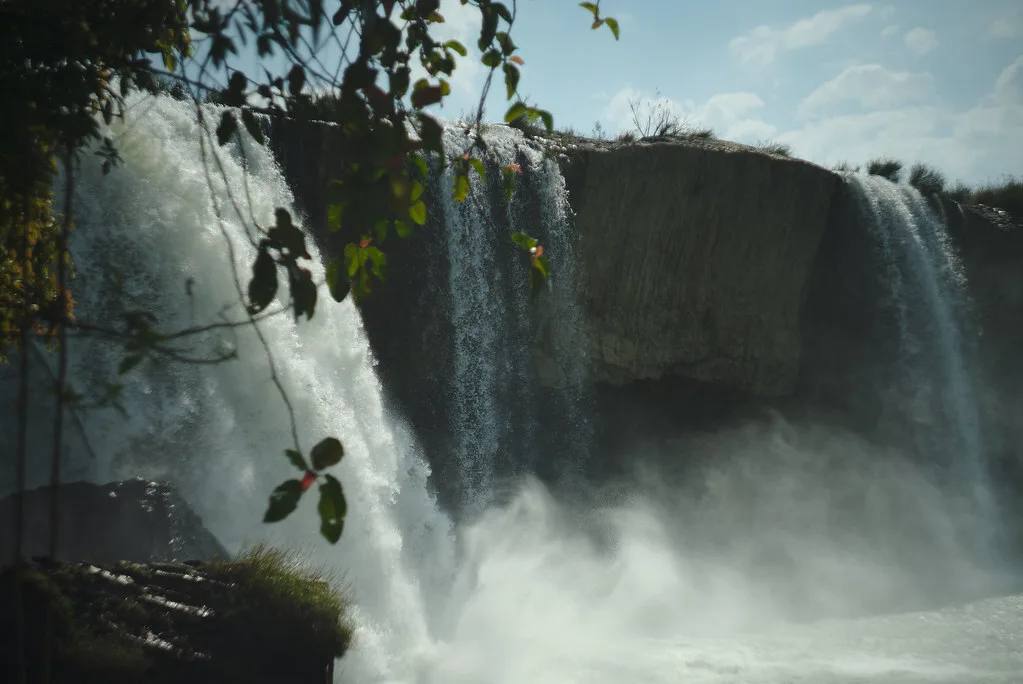
In Buon Ma Thuot, coffee is not a drink — it is the region's infrastructure. Đắk Lắk has more than 200,000 hectares under coffee, roughly 30% of Vietnam's national output, and Vietnam has long been the world's largest exporter of robusta. Which means the cup you drank this morning in Seoul, Berlin or Ho Chi Minh City may well have grown on the red basalt soil around this city.
This guide is for travellers who want to understand Buon Ma Thuot coffee beyond a photo stop: why the land suits the plant, when to visit a farm, which experiences are worth your time, where to drink, and what to buy so you do not regret it later.
Why Buon Ma Thuot became Vietnam's coffee capital
Three factors combine here:
- Red basalt soil — loose, free-draining, mineral-rich and deep. Almost exactly what a coffee tree wants.
- An elevation of about 500 m with a clear day–night temperature swing, which helps the bean develop evenly.
- Two sharply defined seasons — a dry season for flower-bud differentiation, a wet season to fill the cherries. Coffee needs precisely this rhythm to flower all at once.
The French brought coffee to the plateau in the early twentieth century, but it is only in recent decades that the region became a major production centre. "Buôn Ma Thuột Coffee" is protected as a geographical indication — a name tied to a specific growing area, in the way champagne is tied to Champagne.
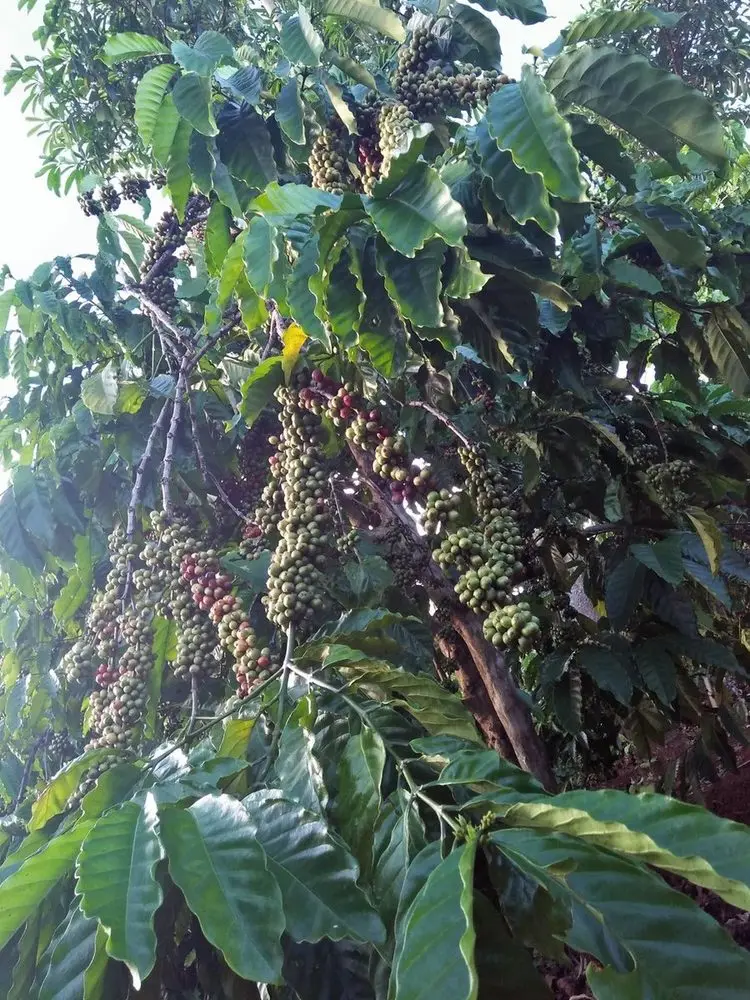
Robusta versus arabica: what actually differs
| Criterion | Robusta (dominant in Đắk Lắk) | Arabica |
|---|---|---|
| Growing altitude | Lower, around 400 – 800 m | Higher, usually above 1,000 m |
| Caffeine | Higher — roughly double | Lower |
| Flavour | Bold, clearly bitter, long finish, heavy body | Bright acidity, fruity aromatics, lighter |
| Brew methods | Phin filter, espresso, iced milk coffee | Pour-over, drip, cold brew |
| How it feels | A proper jolt — the Vietnamese taste | Delicate, for those who like acidity |
Neither is "better" — they are two different palates. What matters is that high-grade Đắk Lắk robusta is increasingly processed with care (controlled fermentation, greenhouse drying, honey processing), producing lots that taste nothing like the cheap commodity robusta many people know.
The coffee calendar: what you see and when
| Period | What is happening on the farm | Go if you want |
|---|---|---|
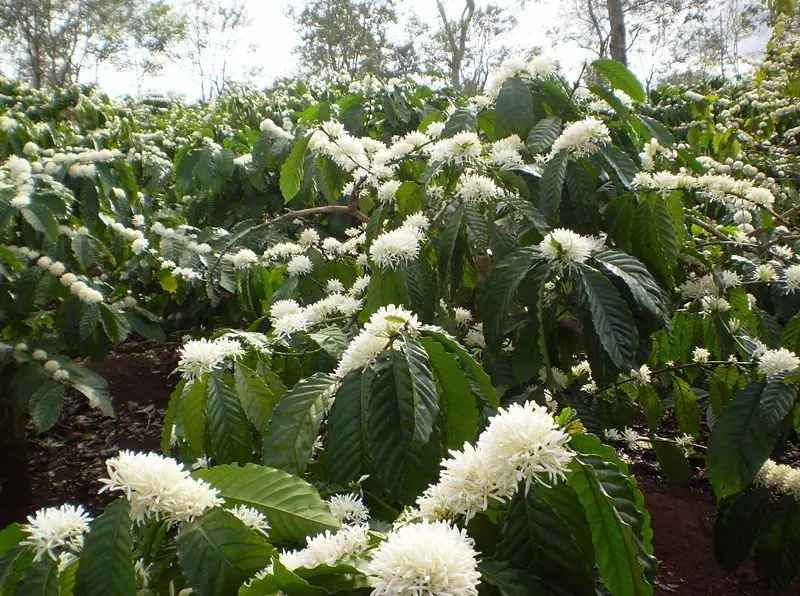
| February – March | White coffee blossom after irrigation or the first rains, scented like jasmine | The best photography of the year |
| April – August | Green cherries swelling; pruning and fertilising | To understand the grower's daily work |
| September – October | First cherries ripening, drying patios prepared | To see harvest preparation |
| November – January | Main harvest — picking, drying, hulling; the whole region smells of fresh coffee | The fullest experience: pick and process yourself |
If you can come only once and want to see coffee for real, choose November to January. If photographs matter more, February and March bring the blossom — but each flush lasts only a few days, so ask locally before committing.
Coffee experiences worth your time
1. Walk a farm and pick cherries
Many farmstays around the city welcome visitors into the rows. You will learn to judge ripeness (evenly red, soft to the squeeze), to selectively pick rather than strip the branch, and why selective ripe picking determines 60–70% of the quality in the final cup.
2. See the three processing methods
- Natural (dry) — the whole cherry is dried, giving deep sweetness and ripe-fruit aromatics.
- Washed — pulped, fermented and rinsed clean; a clear, precise cup.
- Honey — part of the mucilage is left on during drying; sits between the two.
3. Roasting and cupping
A simple cupping at a small city roastery runs 45–60 minutes: smell the dry grounds, smell the crust after pouring, then slurp to judge acidity, bitterness and finish. It is the fastest way to learn which profile you like before buying beans to take home.
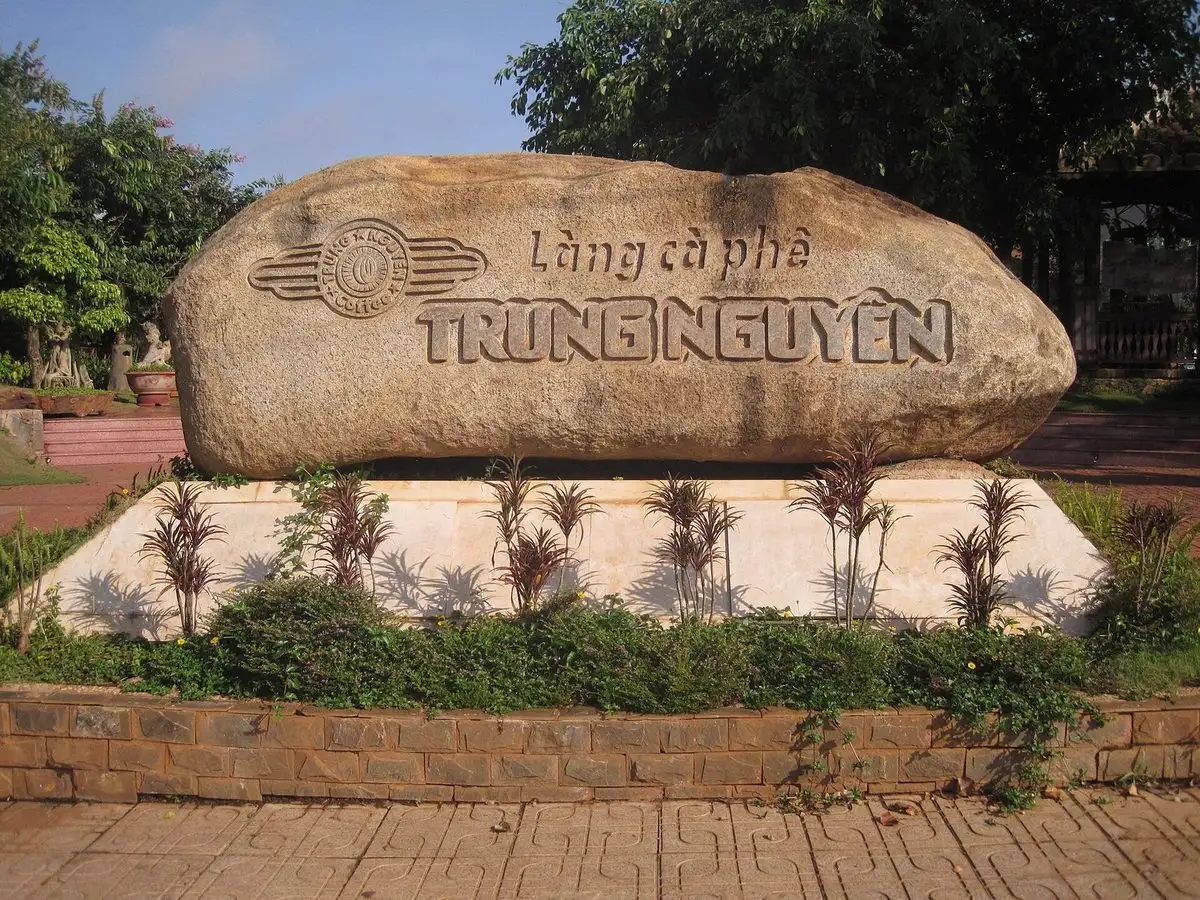
4. The World Coffee Museum and Trung Nguyên Coffee Village
Both lean towards architecture, exhibits and tasting spaces rather than production, but they are well worth a visit — especially with family, or if you want Vietnamese coffee placed in a global story.
How coffee is drunk here
- Black phin coffee over ice — the regional standard: strong, thickly bitter, sipped slowly while the filter still drips.
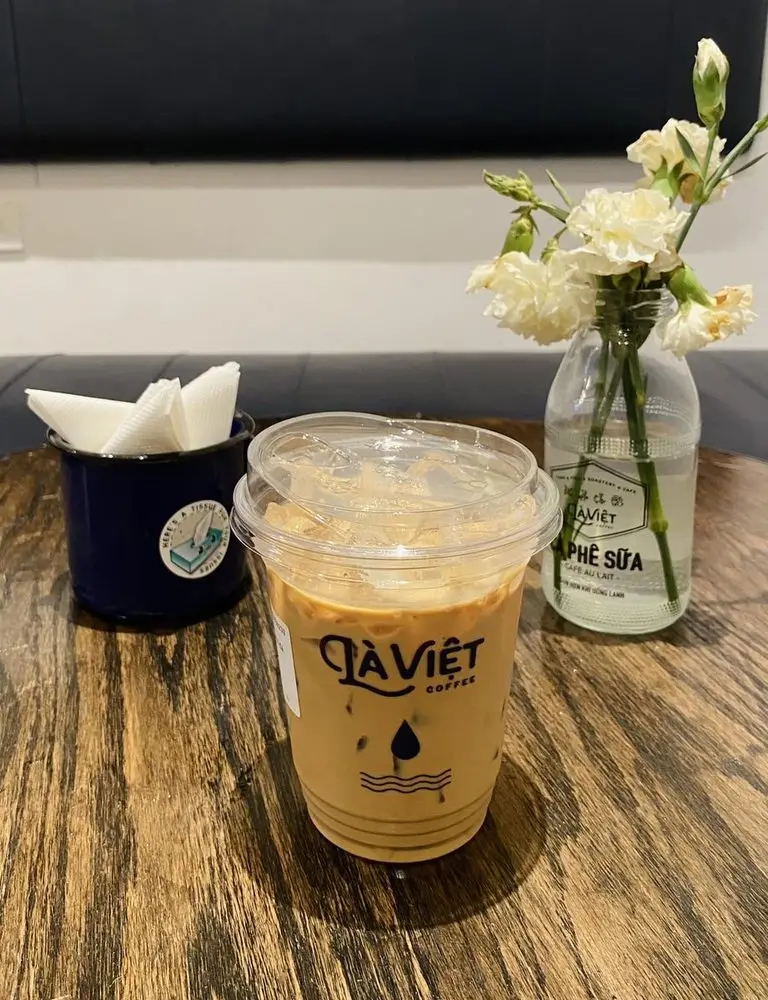
- Iced milk coffee (cà phê sữa đá) — robusta meets condensed milk; sweet, powerful, the default morning cup.
- Bạc xỉu — mostly milk with a little coffee, for those unused to the intensity.
- Machine-brewed light-roast robusta — specialty cafés in town pull high-grade robusta as espresso, and it upends the old assumptions about the species.
A word on weasel (civet) coffee: it is heavily marketed to visitors. Think twice — most commercial civet coffee comes from caged animals in cramped conditions, and the cup rarely justifies the price. If you are curious, ask hard questions about the source; if you simply want a gift that tastes good, beans from a reputable roaster are a far better bet.
Buying coffee to take home
This is where visitors most often go wrong. A short set of rules:
- Buy whole beans and grind as needed. Ground coffee loses aroma fast, usually holding well for only 2–3 weeks.
- Check the roast date, not the expiry date. Coffee is best used 1–3 months after roasting.
- Look for a one-way valve on the bag — a sign the roaster knows the job.
- Be wary of very cheap "coffee" powder: some budget blends are padded with corn or soy and dosed with flavouring. Tell-tale signs: unnaturally dark powder, an intense butter-caramel smell, an unbelievable price.
- Describe your taste: "strong, for a phin filter" or "lighter, for an espresso machine" — a roastery will pick the right lot for you.
| Type | Best for | Notes |
|---|---|---|
| Clean-roast robusta | Lovers of strong coffee, phin brewing | The true Đắk Lắk speciality |
| Honey / natural robusta | Anyone curious about carefully processed robusta | Sweeter finish, less harsh |
| Robusta–arabica blend | A safe gift across different tastes | Balances bitterness and acidity |
| Specialty instant | Busy people, long journeys home | Light, practical, easy to share out |
Storage: keep it cool, dry and away from strong smells. Do not refrigerate an opened bag — condensation will dull the beans faster than the air will.
Fitting coffee into your itinerary
A worthwhile coffee session takes only half a day, so it slots in easily:
- Morning: farm visit, picking and processing (in season) or a city roastery tour.
- Afternoon: World Coffee Museum, Trung Nguyên Coffee Village, buying gifts.
- Next day: the Dray Nur – Dray Sáp waterfalls or Lắk Lake.
If you travel in March of a festival year, book accommodation early for the Buon Ma Thuot Coffee Festival — the city fills up fast.
Book with Go365
Go365 Vietnam runs tours around Buon Ma Thuot that include coffee stops, with local guides and hotel pick-up:
- Dray Nur Waterfall – Đắk Lắk city tour, 1 day — includes city coffee landmarks
- Buon Ma Thuot – Dray Sáp Waterfall – Đắk Lắk tour
- Buon Ma Thuot – Lắk Lake – fruit orchard tour
See also our Buon Ma Thuot travel guide 2026. For an itinerary timed to the coffee calendar, call the Go365 hotline +84 789 900 077.
Frequently asked questions
When is the best time to see coffee in Buon Ma Thuot?
February and March bring the white blossom, the most photogenic time of year. November to January is the main harvest, best if you want to pick cherries and watch processing.
What kind of coffee grows in Buon Ma Thuot?
Mostly robusta — bold, clearly bitter and high in caffeine, ideal for phin filter and iced milk coffee. Some arabica is grown, but on a much smaller area.
Where can I buy coffee without getting an adulterated blend?
Buy at a roastery with a real address, choose whole beans, check the roast date on the bag, and avoid very cheap powders with an unnaturally intense aroma.
Should I buy civet (weasel) coffee as a gift?
Think carefully. Most commercial civet coffee comes from caged animals and the price rarely matches the quality. Clean-roasted beans from a reputable roaster make a better and tastier gift.