A morning on Lắk Lake begins with mist. The surface — some 500 hectares of it — lies flat as glass, white mist hugs the water, and the only sound is a dugout canoe's paddle. That is why so many people who visit Đắk Lắk say that if they remember one scene, it is Lắk Lake at six in the morning.
About 50 km from Buon Ma Thuot along QL27 towards Đà Lạt, Lắk is the largest natural freshwater lake in the Central Highlands and the second largest natural lake in Vietnam after Ba Bể. Around it live the M'Nông communities of Buôn Jun and Buôn M'Liêng, where longhouses, backstrap weaving and rice wine are still everyday life rather than a show staged for visitors.
The legend of Y Lắk and the search for water
The M'Nông tell of a long drought that killed the trees and dried the streams. A young man named Y Lắk travelled far looking for water for his village until, exhausted, he found a small eel stranded in a puddle. He returned the eel to the water, and where it disappeared a spring rose that never ran dry, slowly filling into a lake. The village lived again, and the lake carried his name: Lắk.
The story is more than folklore. It explains why the M'Nông here treat the lake as something to protect rather than exploit — a spirit worth bringing with you as a visitor.
Paddling a dugout canoe: the one thing to do here
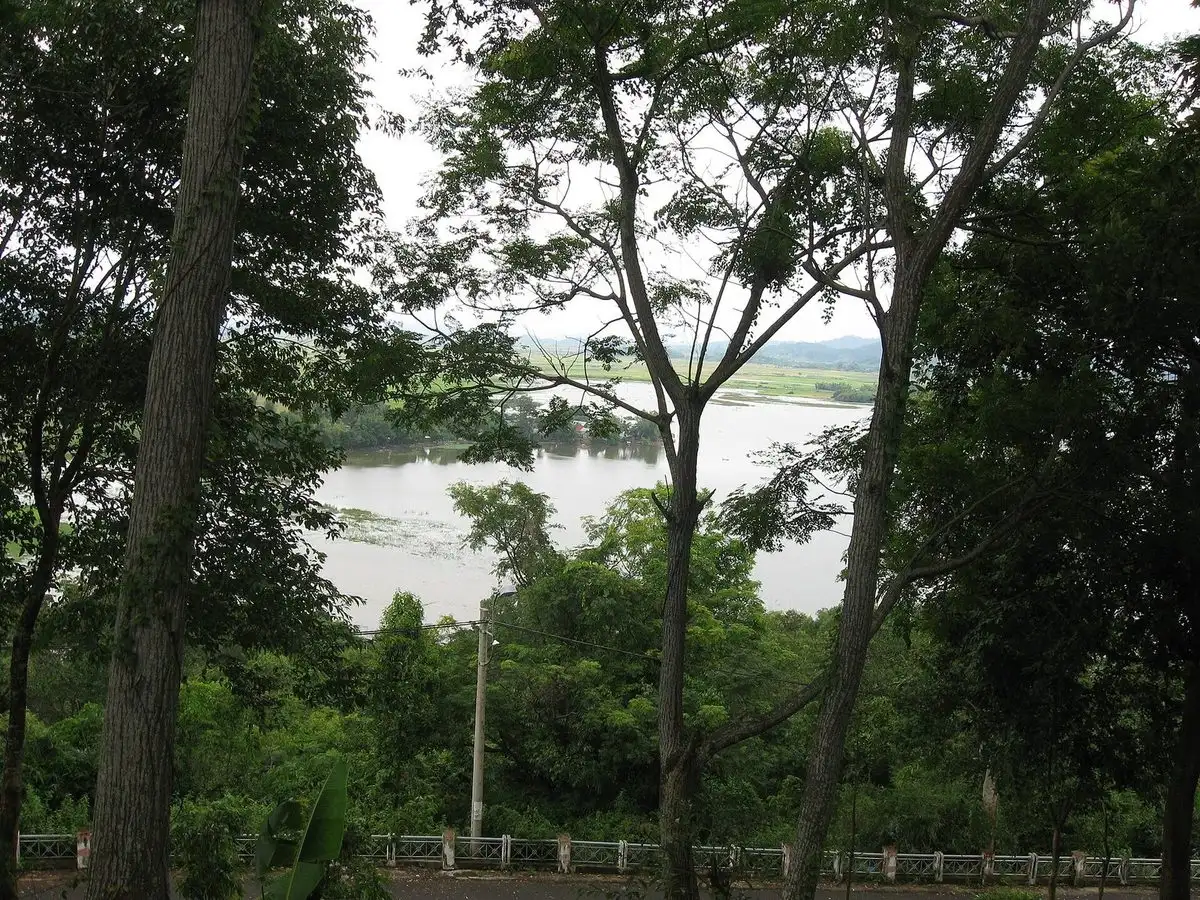
A dugout canoe is carved from a single tree trunk — long, narrow, and low enough that you sit almost at water level. A trip usually lasts 45 to 60 minutes, tracing the lotus beds, slipping past water hyacinth and reaching open water where the ring of hills comes into view.
A few things that make the paddle worthwhile:
- Go early: 05:30 – 07:00 is when the water is stillest and the mist is up. After 09:00 the light turns harsh and photographs lose depth.
- Sit still: the hull is very narrow and leaning tips it. Your paddler will remind you, but knowing in advance helps.
- Wear the life vest if one is offered, even if you swim well.
- Keep the camera in a dry bag — splashes from the paddle are normal.
Buôn Jun and Buôn M'Liêng: longhouses, textiles and rice wine
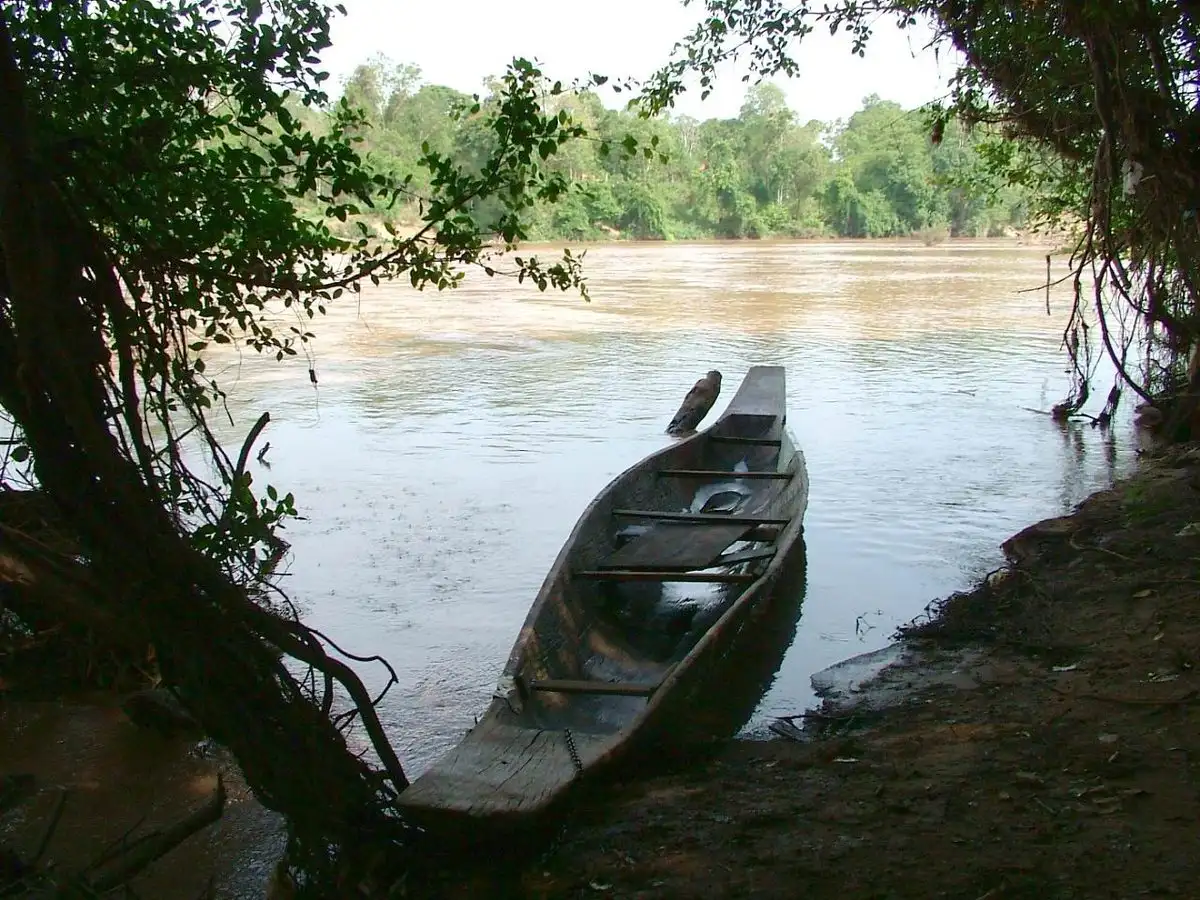
Buôn Jun sits right on the shore and is the most visited village. Here you will see traditional M'Nông longhouses: raised floors, steep roofs and wooden stairs carved with breasts and a crescent moon — symbols of a matrilineal society. These are not replicas built for tourists; many are still lived in.
Buôn M'Liêng, not far away, is an old village often described as a living museum: hand looms, rice wine fermenting in jars, basket weaving and life-cycle rituals still practised.
A few simple courtesies go a long way: ask before stepping up into a longhouse, ask before photographing elders, and if you are offered rice wine, take a polite sip and pass the straw on. Buying hand-woven textiles directly from the weaver is the most practical way to support the village.
About elephant rides: why you should say no
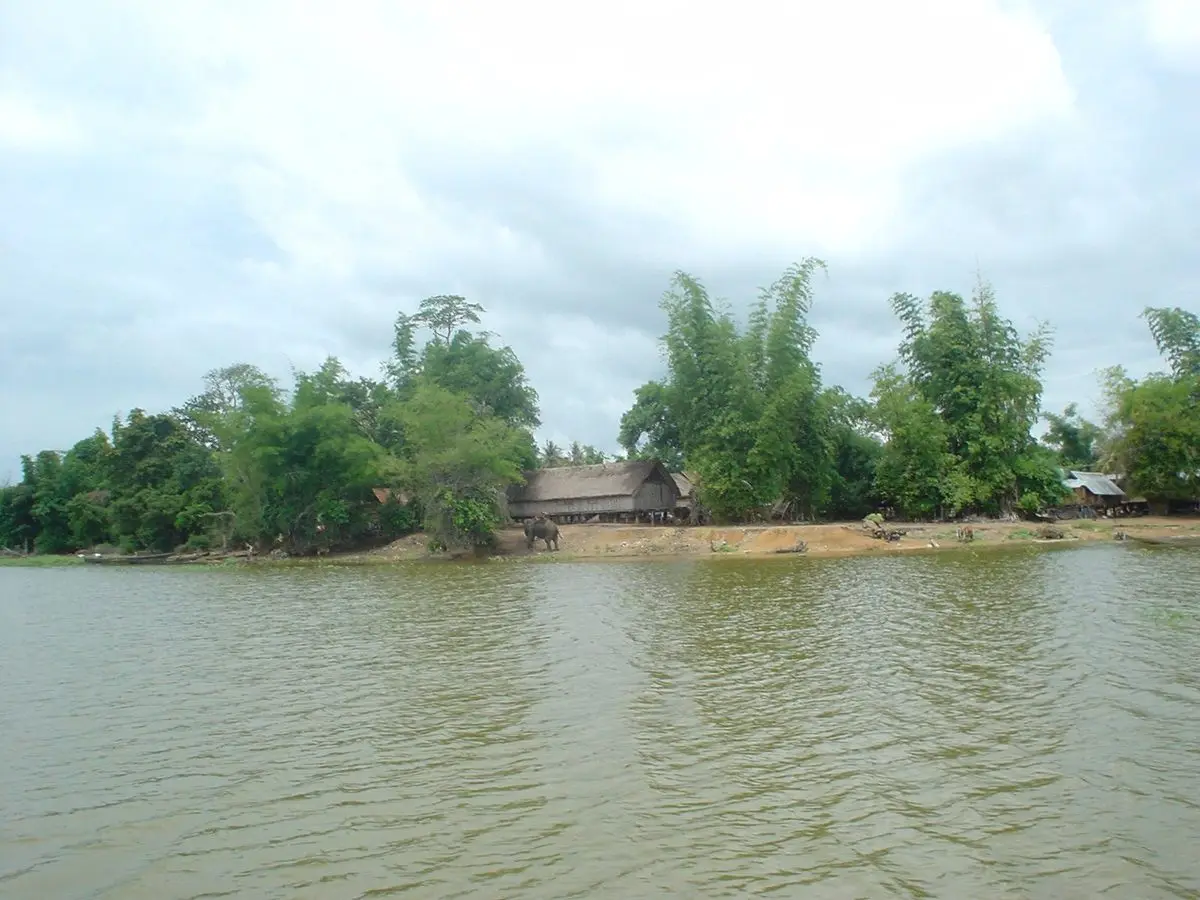
Lắk Lake and Buôn Đôn were once known for elephant rides. That is changing, and for the better. Đắk Lắk has been shifting to elephant-friendly tourism: elephants live in semi-natural conditions and visitors walk alongside to watch them feed, bathe and interact — instead of sitting in a metal howdah strapped to their backs.
Only a few dozen domesticated elephants remain in Đắk Lắk, most of them elderly. Howdahs and long hours of carrying passengers damage their spines and exhaust them. Choosing an observation tour over a riding tour is a small decision with a real effect: visitor demand decides which services survive.
You also get more out of it — longer time near the herd, better photographs because the animals are behaving naturally, and a decent story to bring home.
Bảo Đại's residence: the panorama point
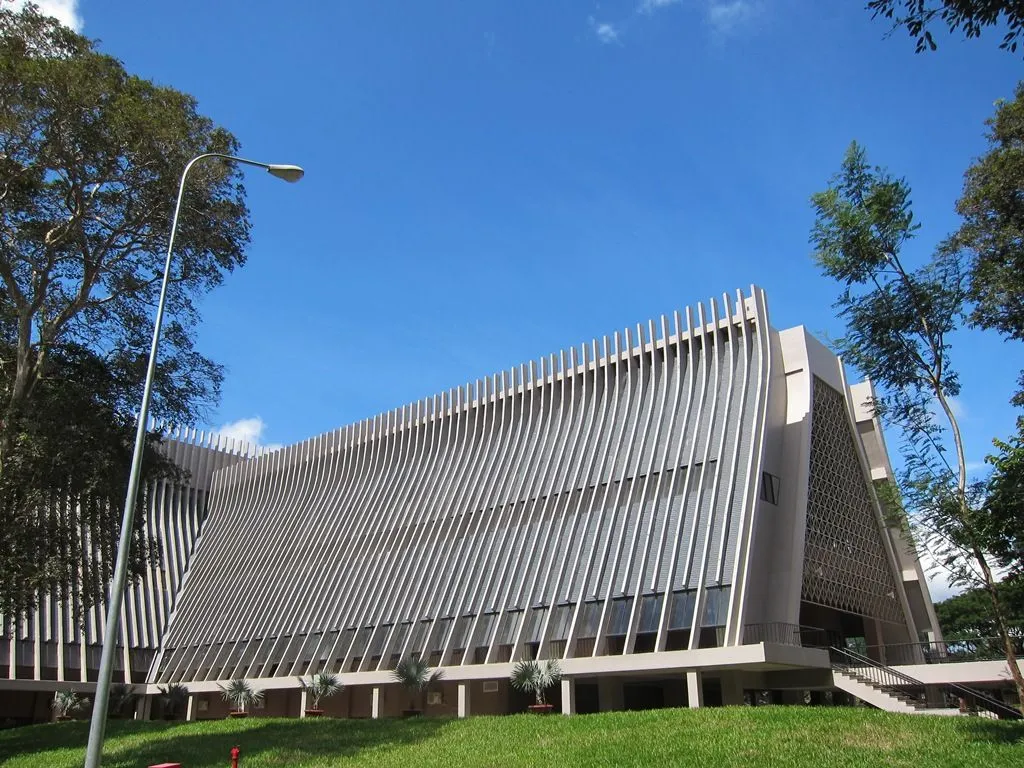
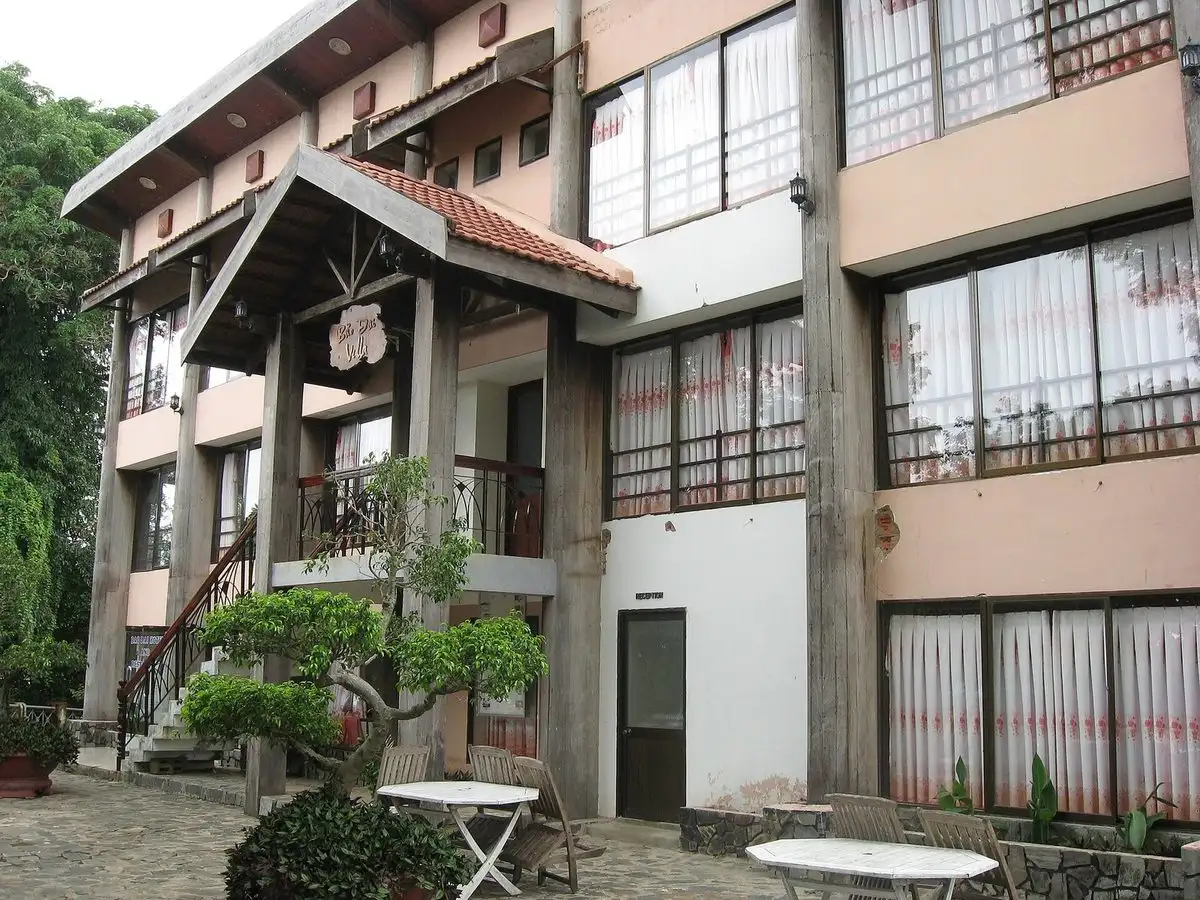
On the hill above the water stands Bảo Đại's summer residence, built for the last emperor of the Nguyễn dynasty on his hunting trips to the highlands. The building is modest, but the position is priceless: from the balcony the whole lake and the paddies along its edge open up at once. This is the best sunset spot in the area, and a place worth 20–30 minutes of simply sitting still.
What to eat at Lắk Lake
- Lake catfish and featherback fish — caught in the lake, served in a sour hotpot or fried crisp.
- Grilled chicken with cơm lam — found all over the highlands, but eaten lakeside in late afternoon it is another thing entirely.
- Sour fish soup and boiled forest greens — the genuine home-cooked meal at village homestays.
- Rice wine (rượu cần) — fermented in a jar and drunk through a bamboo straw. Go easy: it goes down gently and catches up slowly.
Is it worth staying the night?
Very much so, if you want the lake before the mist lifts. Options around Liên Sơn town:
| Type | Experience | Best for |
|---|---|---|
| Longhouse homestay in the village | Sleep on a wooden floor, eat with the family, hear village stories | Travellers after real cultural contact |
| Small lakeside resort | Private room, balcony over the water, full amenities | Families with children, older travellers |
| Guesthouse in Liên Sơn town | Cheap, close to restaurants and the market | Budget travel, road trippers |
Getting there and building it into a route
From Buon Ma Thuot take QL27 towards Đà Lạt for about 50 km to Liên Sơn town — a good road, 1 hour 15 to 1 hour 30 minutes. The best part logistically: Lắk Lake sits directly on the Buon Ma Thuot – Đà Lạt axis, so you can treat it as a stop rather than a return trip.
- Option A — day trip: leave Buon Ma Thuot in the morning, lunch at the lake, back by evening. About 8 hours.
- Option B — one night: arrive in the afternoon, sunset at Bảo Đại's residence, paddle at 06:00 the next morning. The best value of the three.
- Option C — stopover to Đà Lạt: leave Buon Ma Thuot early, spend the day at the lake, continue to Đà Lạt (another 140 km).
A suggested one-day plan
| Time | Activity |
|---|---|
| 05:30 | Wake early, walk to the shore for the mist |
| 06:00 | Dugout canoe around the lake (45–60 minutes) |
| 07:30 | Breakfast at the homestay, coffee facing the water |
| 09:00 | Buôn Jun: longhouses, weaving, rice wine jars |
| 11:30 | Lunch — sour catfish hotpot, grilled chicken with cơm lam |
| 14:00 | Walking elephant-observation tour |
| 16:30 | Bảo Đại's residence for the lake panorama and sunset |
| 18:00 | Return to Buon Ma Thuot, or stay another night |
Before you go
- Early mornings are chilly, especially December to February: bring a light jacket even if the day is sunny.
- Mosquitoes at dusk near the water — pack repellent.
- Withdraw cash in Buon Ma Thuot; many small village services do not take transfers.
- Never push people to pose; if you want portraits, buy something or talk first.
- In the rainy season (August – October) the lake is wider and greener, but village dirt tracks can be muddy.
Book a Lắk Lake tour with Go365
Go365 Vietnam runs Lắk Lake tours departing from Buon Ma Thuot, with local guides and hotel pick-up:
- Buon Ma Thuot – Lắk Lake – fruit orchard tour — M'Nông villages plus seasonal fruit
- Buon Ma Thuot – Dray Sáp Waterfall – Đắk Lắk tour — pair it with the day before or after
- Dray Nur Waterfall – Đắk Lắk city tour, 1 day
See also our Buon Ma Thuot travel guide and the Dray Nur – Dray Sáp waterfall guide. For help combining routes, call the Go365 hotline +84 789 900 077.
Frequently asked questions
How far is Lắk Lake from Buon Ma Thuot?
About 50 km along QL27 towards Đà Lạt — 1 hour 15 to 1 hour 30 minutes by car or motorbike.
Should you ride an elephant at Lắk Lake?
No. Đắk Lắk is moving to elephant-friendly tourism, where visitors walk and observe elephants in semi-natural conditions. It is better for the animals and gives you more time near the herd.
Day trip or overnight?
An overnight is clearly better, because the lake is at its most beautiful between 05:30 and 07:00 while the mist is still on the water. If you only have a day, leave Buon Ma Thuot before 07:00.
Are dugout canoes safe?
Yes, if you sit still and wear a life vest. The hull is narrow, so avoid standing or swapping seats mid-lake; the paddlers are locals who know the water well.