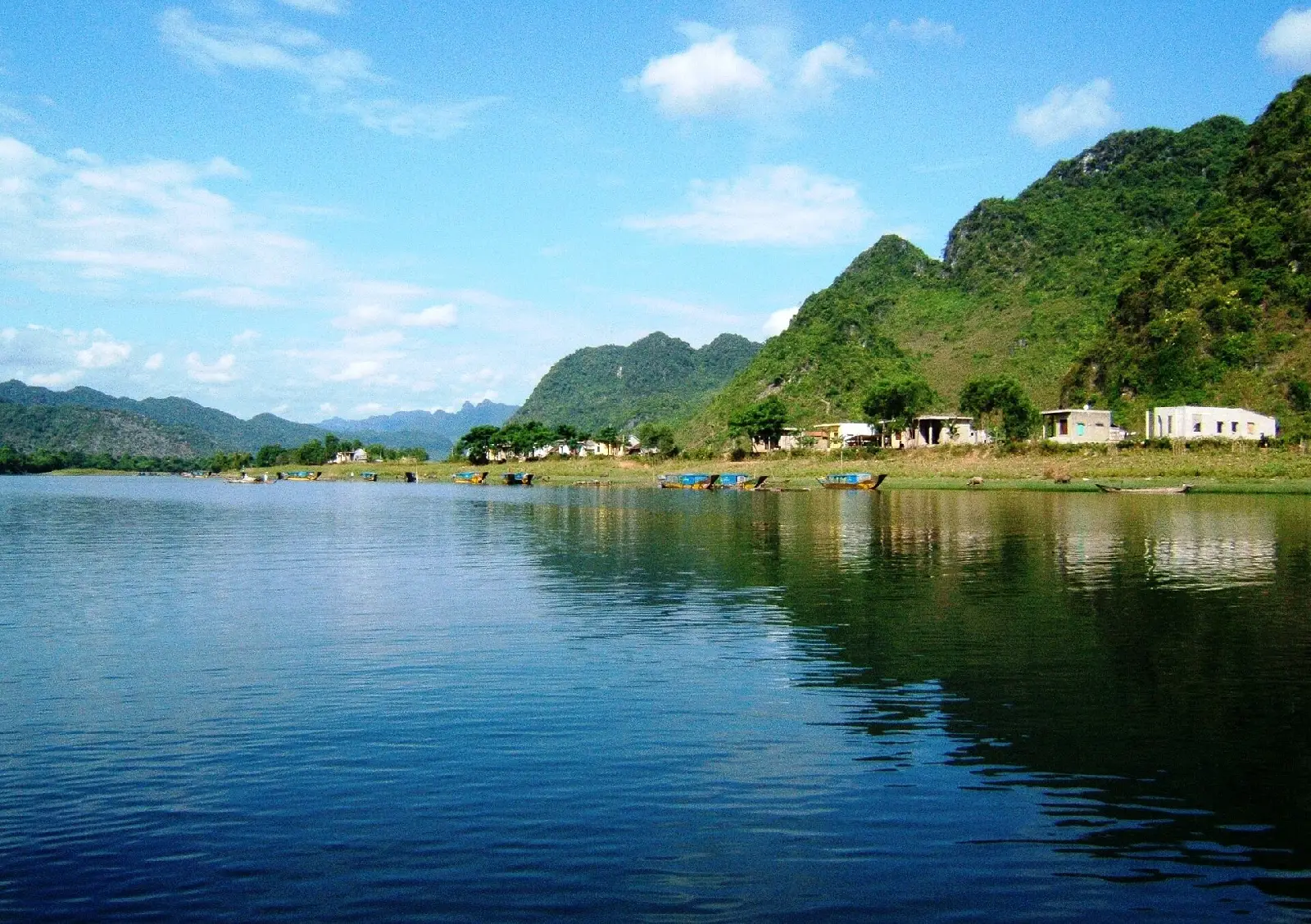
Quang Binh is a name every nature lover in Vietnam has heard at least once: home to the largest cave in the world, to the jade-green Son River that flows straight into a limestone mountain, to long beaches and a food culture salty enough to stay with you long after you leave. If you are planning your first trip, this guide gathers everything you need: when to go, what to see, what to eat, how many days you need and roughly what it costs.
Which province is Quang Binh part of now?
This question confuses many travellers looking at maps or booking tickets. After the administrative reorganisation, Quang Binh was merged with Quang Tri into the new Quang Tri province, with the administrative centre in Dong Hoi. For tourism nothing has changed: Phong Nha is still Phong Nha, the airport is still Dong Hoi Airport (code VDH), and the name “Quang Binh” is still widely used in daily life and on booking platforms.
We keep calling it Quang Binh in this article because that is what people recognise, but when you fill in administrative forms, insurance or invoices, remember that the province is now named Quang Tri.
When is the best time to visit Quang Binh?
Weather decides whether a Quang Binh trip works, because almost everything here revolves around caves and rivers – the two things most sensitive to rain and flooding.
- March to August: the best window. Dry weather, clear water on the Son River, all caves open, adventure routes such as Chay River – Dark Cave and Hang En fully operating. The trade-off is that June and July can be fiercely hot with the dry Laos wind, so plan visits for early morning or late afternoon.
- September to November: storm season. This is the riskiest period: rising river levels can force Phong Nha Cave to close temporarily and adventure tours to be cancelled. If you must travel then, choose services with a flexible cancellation policy and keep a spare day in your itinerary.
- December to February: cool and quiet. Crisp air, occasional drizzle, very green scenery. Ideal for slow travel and photography without crowds – but not for swimming.
In short, March to August is the safest window, and if you can only pick one month, April or May usually offers the best balance of weather, room rates and crowd levels.
Kingdom of caves: what to do in Phong Nha – Ke Bang
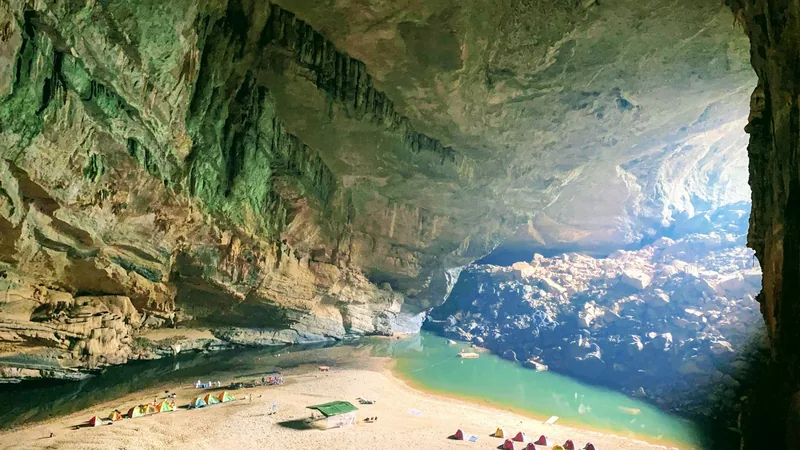
Phong Nha – Ke Bang National Park is a UNESCO World Natural Heritage site, with a karst cave system shaped over hundreds of millions of years. What makes it special is that you can choose exactly how demanding you want your day to be:
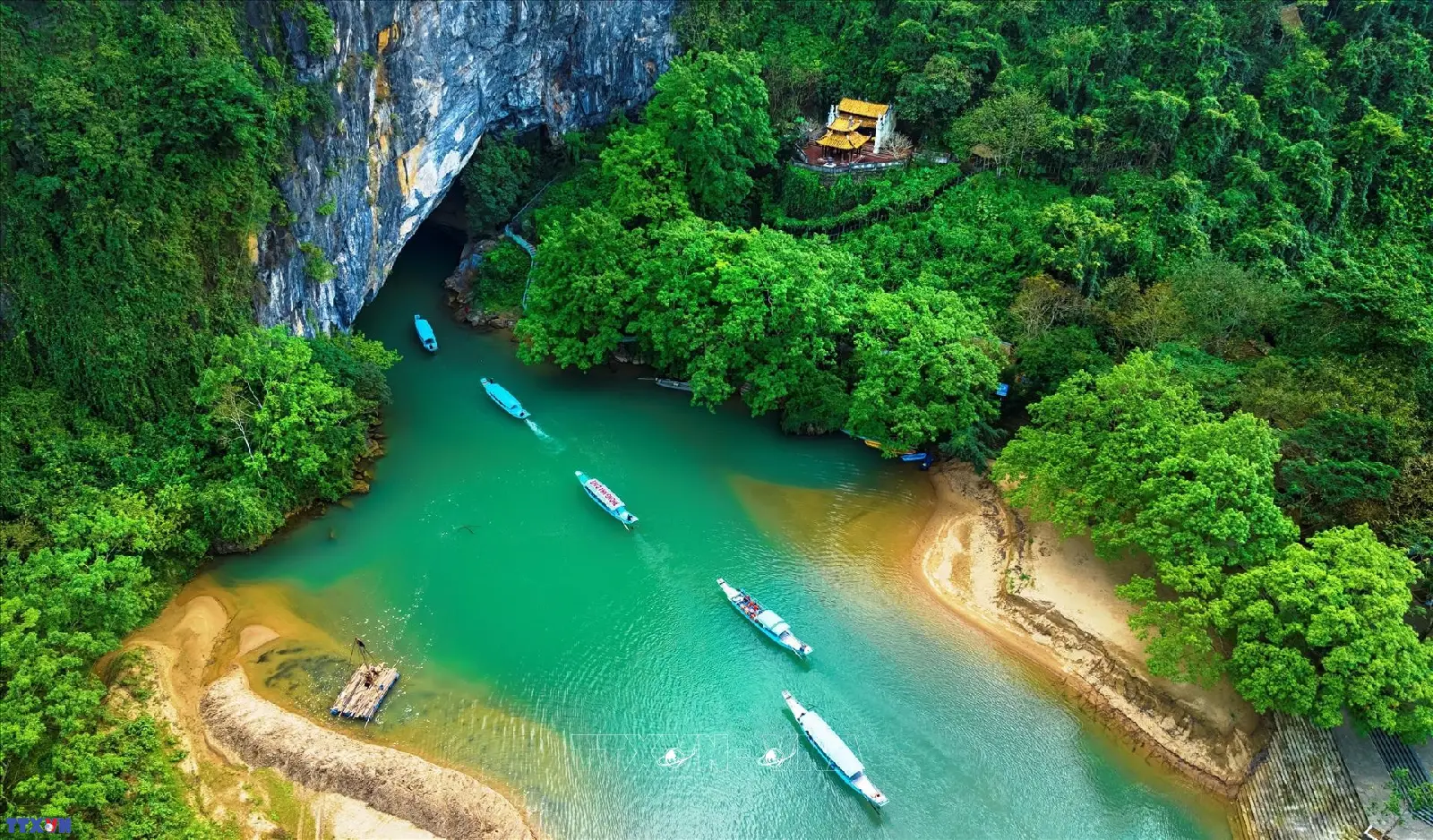
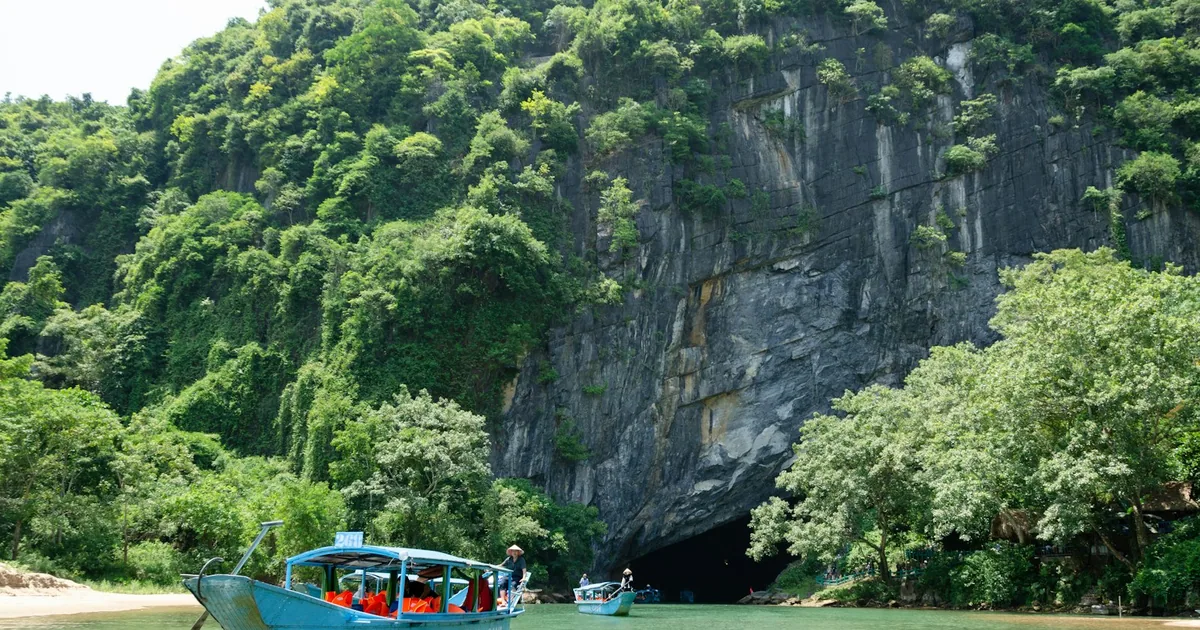
- Phong Nha Cave – a river cave. You take a boat along the Son River for about 30 minutes, then drift into the cavern. This is the easiest option, suitable for older travellers and children. Those who want to go deeper can take the 4.5 km exploration route into sections beyond the standard tour.
- Paradise Cave (Thien Duong) – a dry cave more than 31 km long, with a wooden walkway covering roughly the first kilometre. The stalactite formations here are among the finest in Vietnam, and it stays cool all year.
- Tien Son Cave – set up on a mountainside, reached by a few hundred steps, rewarding you with high views and far fewer people.
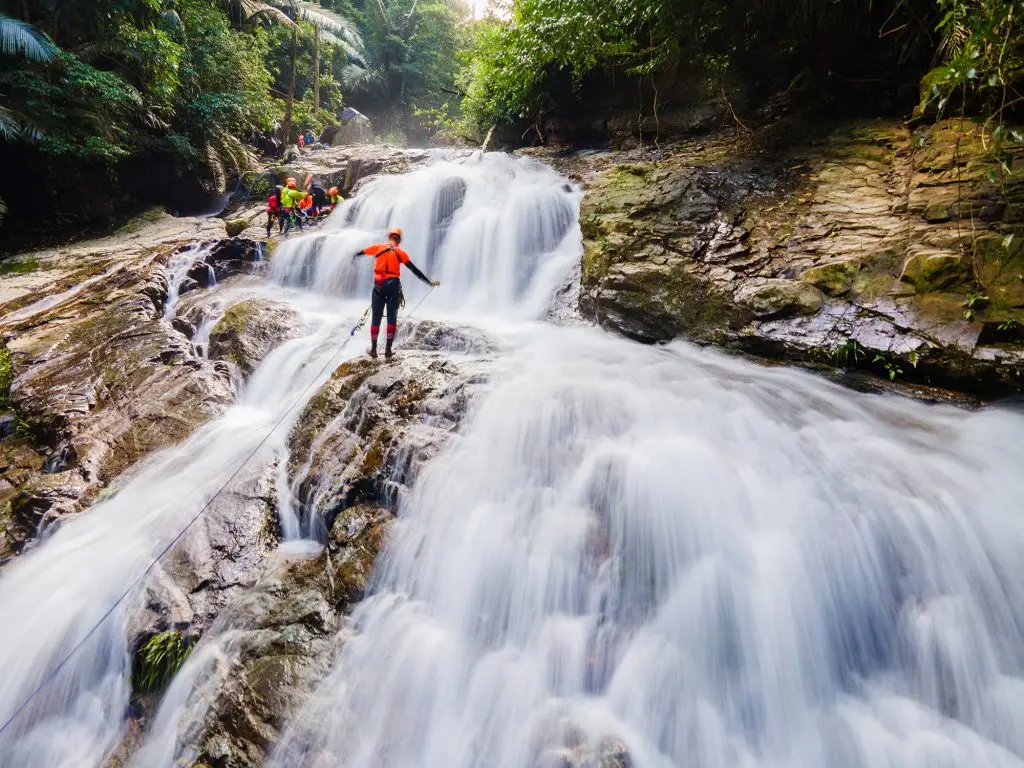
- Chay River – Dark Cave – for the active: zip-lining, swimming inside the cave, mud bathing. Often combined with a countryside cycling route.
- Hang En and Son Doong – multi-day trekking routes with camping inside the cave. Son Doong is the largest cave in the world, operated under a strict permit quota, very expensive and usually booked a year ahead.
If you only have one day, the classic pairing is Phong Nha + Paradise Cave, because it covers both a river cave and a dry cave. You can preview the exact itinerary on the Phong Nha – Paradise Cave day tour.
Beyond the caves
Many visitors come to Quang Binh only to go underground and then leave – a shame, because what is above ground is worth your time too:
- Nuoc Mooc Spring: crystal-clear water rising at the foot of limestone cliffs, with bamboo bridges, kayaking and swimming areas. Far cooler at midday than the city.
- Nhat Le and Bao Ninh beaches: long stretches of sand right next to central Dong Hoi, packed with locals catching the breeze in the evening.
- Vung Chua – Yen Island: the resting place of General Vo Nguyen Giap, remarkably peaceful, usually combined with Hoanh Son Quan gate and Da Nhay beach.
- Hava Valley and the Phong Nha Botanical Garden: gentle eco-stops, good for families with small children.
- Quang Phu sand dunes and Canh Duong mural village: two easy photo spots that do not eat much time.
What to eat in Quang Binh
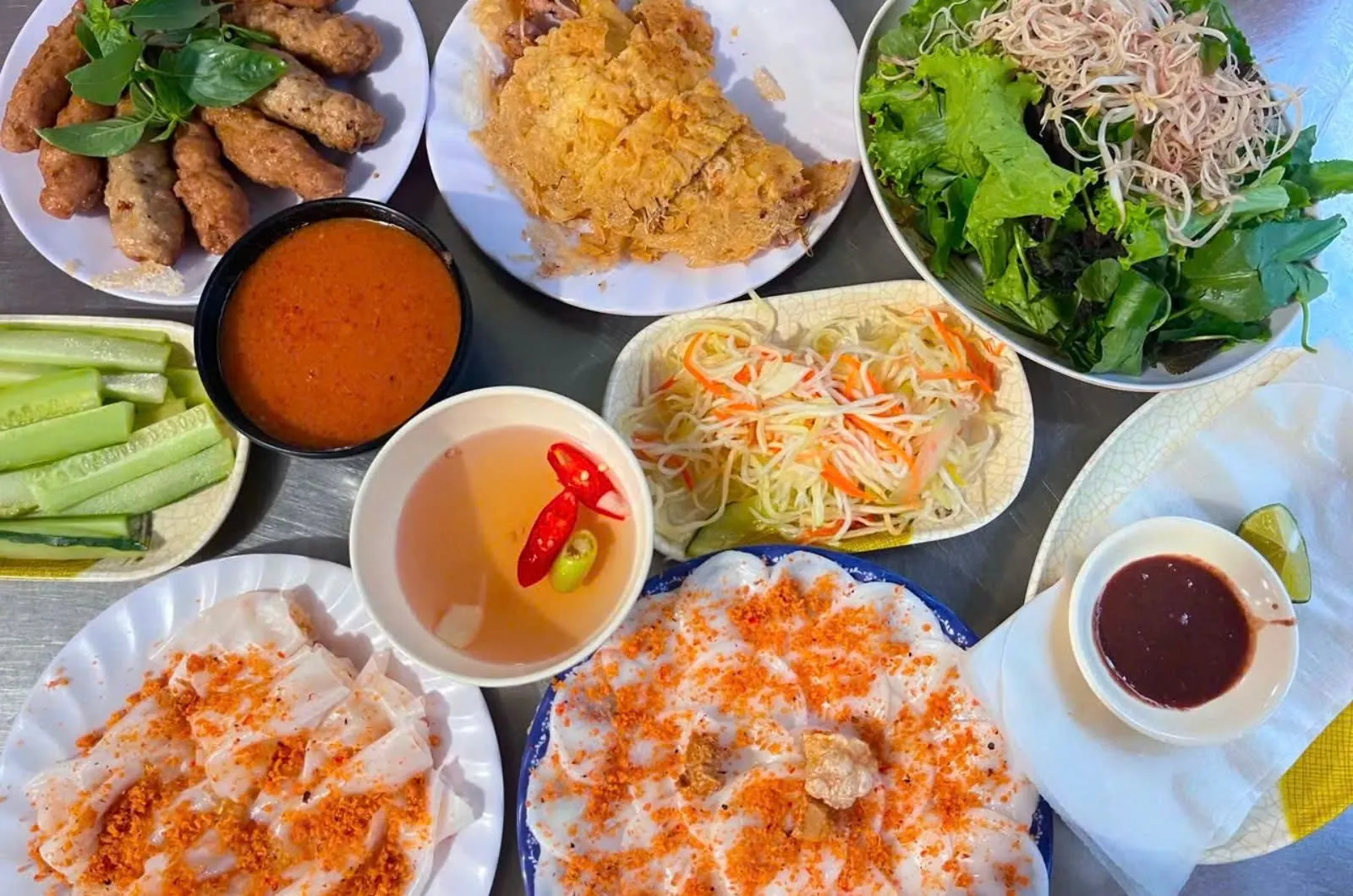
The food here is rustic, salty and cheap. A few dishes are essentially mandatory: chao canh ca loc (thick rice noodles with snakehead fish, the local breakfast institution), banh loc and banh beo served with shrimp-paste fish sauce, crisp brown-rice banh xeo, ram (fried spring rolls) wrapped with fish, Bao Ninh seafood, and for the adventurous, sea snake. As a gift to take home, khoai deo (sun-dried chewy sweet potato) is almost obligatory.
The fastest way to explore is to go out with a local in the evening, when the street stalls open – exactly the idea behind the Dong Hoi night food tour.
How many days do you need?
2 days / 1 night – enough for one pair of caves (Phong Nha + Paradise) and an evening at Nhat Le beach. Works for travellers who fly into Dong Hoi in the morning and leave the next afternoon.
3 days / 2 nights – the most popular option: day one for caves, day two for nature (Nuoc Mooc Spring, Chay River – Dark Cave) or the Vung Chua – Yen Island route, day three for a stroll around Dong Hoi, breakfast and gift shopping before the airport.
4 days or more – for those who want to add the Hang En trek, or combine the central heritage corridor: Hue – Phong Nha – Dong Hoi.
Costs and practical notes
- Each cave sells its own ticket, usually excluding electric shuttle, boat or guide. When comparing tours, read the “included / excluded” section rather than only the headline price.
- Dong Hoi to Phong Nha is about 45–50 km, roughly one hour by car. If you are staying in central Dong Hoi without your own vehicle, pick a tour with hotel pick-up.
- Footwear: cave floors get damp and slippery, so wear shoes with grip rather than smooth-soled sandals.
- Summer peak: tours cap daily numbers, especially adventure routes – book a few days ahead to avoid missing out.
- Bad weather: during storms or floods the management board may suspend visits. Always check the refund policy first.
Where to book Quang Binh tours
Go365 is an online travel platform operating throughout Vietnam, currently selling a range of tours departing in Quang Binh with prices and conditions shown clearly before you book:
- Phong Nha – Paradise Cave day tour – the classic first-timer choice.
- Phong Nha Cave – Nuoc Mooc Spring – caves plus nature.
- Cycling – Phong Nha Cave – Chay River Cave – for active travellers.
- Conquering 4.5 km of Phong Nha Cave – deeper into the less-visited sections.
- Phong Nha – Vung Chua – Yen Island – Hoanh Son Quan – Da Nhay beach – the northern coastal route.
- Browse all tours and experience tickets on Go365, or buy a travel eSIM if you are an international visitor who needs 4G/5G on arrival.
For help tailoring an itinerary to your group size and number of days, call the hotline +84 789 900 077 (or +84 789 900 055 / 088 / 099).
Quang Binh is not a destination to rush through and tick off a list. It suits slow travel: caves in the morning, feet in a spring at noon, the beach in the late afternoon, and a bowl of chao canh on a plastic stool at night. Choose the right season, book your services ahead, and the landscape will take care of the rest.
Read more: the Hue – Phong Nha heritage tourist train and the new Dong Hoi – Cam Ranh direct flight.